







Search Results for: Cameroon Coffee
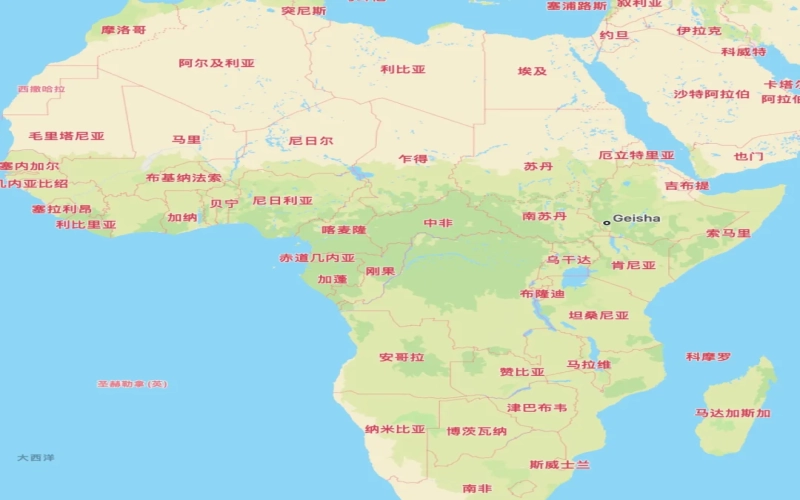
A Tour of African Coffee-Producing Countries: The Cultivation History and Flavor Characteristics of Burundi, Cameroon, and the Democratic Republic of the Congo
The African continent, with its exceptional natural conditions, has nurtured numerous coffee-producing countries. Beyond the well-known Ethiopia and Kenya, Burundi, Cameroon, and the Democratic Republic of the Congo also deserve attention. Burundi, known as the "Heart of Africa," showcases bright acidity and full-bodied sweetness through varieties such as Bourbon; Cameroon is dominated by Robusta, with Arabica accounting for only a small portion; the DRC, as the birthplace of Robusta, offers coffee with a wild flavor rich in fruity notes. This article will guide you through the coffee cultivation history, producing regions, variety characteristics, and industry status of these three countries, along with relevant recommendations from Front Street Coffee, to provide reference for your coffee exploration journey. [more…]
Papua New Guinea Bird of Paradise Coffee Beans: Full Analysis of Typica Lineage, Blue Mountain Origins, and Pricing
Front Street Papua New Guinea Bird of Paradise coffee beans are surprisingly made from the oldest and most classic variety, Typica, sharing the same lineage as the famous Front Street Jamaica Blue Mountain and Front Street Hawaii Kona. This also explains why Bird of Paradise coffee is not exactly affordable. However, aside from being able to drink Papua New Guinea beans at certain chain coffee shops, you can actually easily get your hands on this coffee from a niche origin at home for everyday drinking. This article will outline the origin and spread of Typica, its main cultivated varieties, and include a tasting comparison of three beans—Front Street Blue Mountain, Front Street 2013 Typica, and Bird of Paradise—along with brand recommendations and value-for-money analysis, to help coffee lovers gain a comprehensive understanding of this precious tree variety. [more…]
A Complete Analysis of Bolivian Coffee Regions: From Java Variety to the Rodriguez Family's Specialty Journey
Although Bolivia is hailed as an ideal place for growing coffee, its production has always remained low, and it even once became a minor coffee country. Yet the coffee flavors nurtured on this land are stunning—rich sweetness and soft acidity make it stand out in the specialty coffee world. Front Street Coffee has introduced several Bolivian beans, among which the Java variety cultivated by the Rodriguez family is especially striking, known as Geisha's cousin. This article will guide you through the regional characteristics, development history, and cultivation models of Bolivian coffee, and provide an in-depth analysis of the Coco Natural Java coffee beans from Waliki Estate, from variety tracing to processing innovation, exploring the coffee charm of this landlocked South American country. [more…]
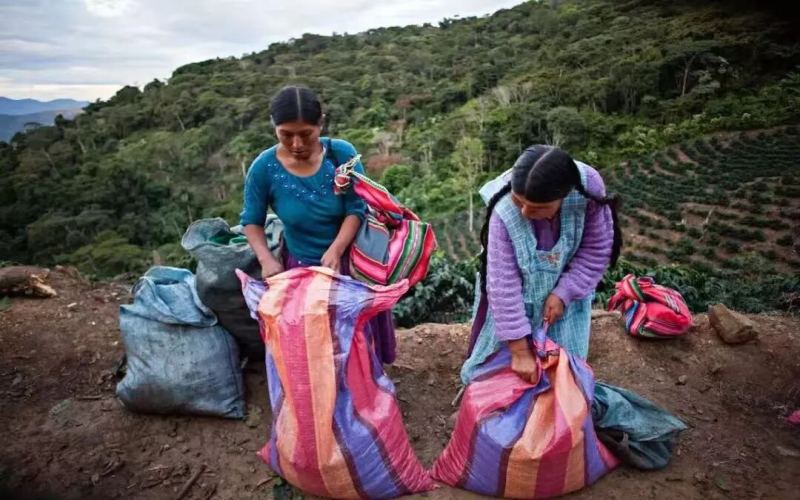
Bolivian Coffee Beans | Why is Bolivian coffee rarely seen in China? What unique characteristics does Bolivian coffee have?w
Bolivia is a fascinating place. Although it is called a paradise for coffee growing, its production has always been low. Front Street Coffee is deeply impressed by the delicate flavors of Bolivian coffee. In terms of flavor expression, Bolivian coffee is mostly characterized by rich sweetness and soft acidity. At the 2017 WBC (World Coffee [more…]
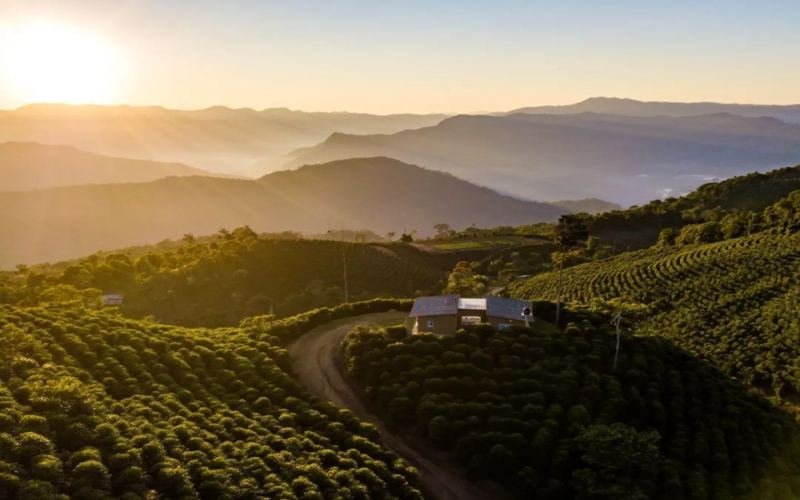
Planting Background, Development Trajectory, and Java Variety Flavor Analysis of Bolivian Coffee Regions
Although Bolivia is hailed as an ideal place for growing coffee, its production has always been limited. The high altitude and diverse terrain give the coffee rich sweetness and soft acidity. It was with Bolivian Geisha that Miki Suzuki, runner-up in the 2017 WBC, won attention. However, steep roads, the temptation of coca cultivation, and the blow of leaf rust in 2013 have repeatedly brought twists and turns to the coffee industry of this landlocked South American country. From the glory of the COE competition to the export difficulties amid political turmoil, the revival of Bolivian specialty coffee cannot be separated from the perseverance of the Rodriguez family. They promote the Tomorrow's Sun project and have cultivated distinctive bean varieties such as Coco Natural Java. This article will introduce Bolivia's coffee-producing regions, historical context, and variety flavors, and Front Street Coffee also shares its cupping experience. [more…]

Flavor Analysis of Bolivian Geisha and Java Varieties: From Origin Challenges to the Rodriguez Family's Specialty Journey
Although Bolivia is hailed as an ideal place for coffee cultivation, its production has always been limited, yet its coffee impresses with rich sweetness and soft acidity. From the cupping perspective of Front Street Coffee, this article sorts through the historical ups and downs of Bolivian coffee, the distribution of producing regions, and cultivation models, focusing on how the Rodriguez family has driven the development of specialty coffee, and offering an in-depth analysis of the origins of the Geisha and Java varieties. The article also documents in detail a cacao natural Java coffee bean from Finca Valiki that Front Street Coffee cupped, presenting the unique charm of this bean in full, from processing method, roasting curve, to brewing parameters and flavor description. [more…]
The Road to Revival of Bolivian Coffee: Exploring the Flavors of Pedro Rodríguez, Geisha, and Java Varieties
In the landlocked South American country of Bolivia, the development of specialty coffee is inseparable from the Rodríguez family, especially Pedro Rodríguez, who is regarded by the industry as a key figure in Bolivia's coffee revival. From trendy brands like Intellectuals snapping it up year after year, to Japanese competitor Miki Suzuki winning the World Runner-Up title with Geisha from his estate, Bolivian coffee is returning to the spotlight with its unique terroir and exceptional quality. Front Street Coffee recently cupped the Cacao Natural Java produced by the Rodríguez family, as well as the Washed Java Typica from the Tomorrow's Sun project, and the flavors were stunning. This article will trace the ups and downs of Bolivian coffee history, the characteristics of its producing regions, the contributions of the Rodríguez family, and the varietal origins of Geisha and Java, giving you a comprehensive understanding of the coffee charm of this high-altitude producing country. [more…]
Bolivia Geisha Coffee Flavor Analysis: The Story of the Java Variety and the Rodriguez Family's Specialty Journey
Although Bolivia is hailed as an ideal place for coffee cultivation, its production has always been limited, yet its coffee impresses with rich sweetness and soft acidity. At the 2017 WBC, Japanese competitor Miki Suzuki won the world runner-up title with a Bolivian Geisha, bringing this origin into the spotlight. The Java variety, known as Geisha's cousin, likewise offers an elegant and distinctive flavor. Front Street Coffee once cupped a Cacao Natural Java from the Rodriguez family, which was sweet and tangy with a creamy smoothness. This article will guide you through the development history of Bolivian coffee, its cultivation models, and the distribution of its producing regions, as well as how the Rodriguez family is driving specialty coffee forward, and provide a detailed analysis of the roasting and brewing performance of this Waliki Estate Java coffee bean. [more…]
Bolivia Coffee Full Analysis: Specialty Bean Flavor Characteristics, Cultivation History, and the Rodriguez Family Geisha Java
Bolivia is celebrated as an ideal place for growing coffee, yet its annual output has long remained low, at one point even falling to the level of a minor coffee-producing country. And yet this land has given rise to a Geisha that won the favor of a World Barista Championship runner-up, as well as the Java variety known as Geisha's cousin. From the high-altitude terroir of the Yungas region, to the Tomorrow's Sun project promoted by the Rodriguez family, and on to innovative experiments with the cacao natural processing method, Bolivian coffee has carved out a winding yet fascinating path toward specialty coffee. Front Street Coffee will guide you through the origins, development history, varietal characteristics, and flavor profile of Bolivian coffee, with a focus on cupping a cacao natural Java coffee bean from the Valiki estate. [more…]
2020 TOH Natural Group Champion: Ethiopian Aricha Lalo Coffee Bean Flavor and Origin Analysis
At the 2020 Taste of Harvest (TOH) Africa coffee competition, a natural coffee from the Armelelalu processing plant in the Konga region of Yirgacheffe, Ethiopia, scored 90.70 points to win the natural group championship and the overall championship. This bean uses heirloom varieties, is grown at an altitude of 2,200 meters, and undergoes anaerobic slow-dry natural processing, presenting rose floral notes, a fresh fruit-champagne quality, intense tropical fruit aromas, and a candied sweetness, with a round and smooth mouthfeel and a long-lasting sweet aftertaste. This article will guide you through the background of the TOH competition, detailed information about this champion bean, and why the Yirgacheffe region is hailed as synonymous with delicious coffee. [more…]
African Yirgacheffe Flavor Analysis: Roasting Parameters and Brewing Insights for Ethiopian Specialty Beans
Africa, as the continent of coffee's origin, occupies an irreplaceable position in the global specialty coffee landscape. Among them, Ethiopia and Kenya can be considered the two pillars of African coffee, and Yirgacheffe has become a favorite of countless enthusiasts with its clean and bright flavors. This article will start with the overall characteristics of African coffee, gradually focus on the producing regions and grading system of Yirgacheffe, and use [Front Street] Guddingding coffee beans as an example to break down its roasting curve and brewing plan in detail, taking you through the complete flavor changes of this washed Yirgacheffe from the first sip to the aftertaste. [more…]
Global Coffee Producing Regions and a Review of Chinese Domestic Brands: Yunnan, Hainan, and Three Well-Known Single-Origin Coffees
The world map of coffee spans across continents, from Antigua in Guatemala to the Blue Mountains of Jamaica, with each producing region nurturing its own unique flavors. Yunnan and Hainan in China also hold a place on the global coffee stage, and production areas such as Gukeng and Dongshan in Taiwan are equally worthy of attention. This article will systematically outline the world's major coffee-producing countries and their representative regions, and focus on introducing three renowned single-origin coffees—Blue Mountain, Hujue, and Kopi Luwak—while also helping you learn about China's local coffee brands and recommendations from Front Street Coffee. Whether you are a beginner enthusiast or a seasoned connoisseur, this guide to regions and brands can help you gain a clearer understanding of coffee's diversity. [more…]
African Specialty Coffee Icon: Ethiopian Yirgacheffe Flavor Profile and Front Street Gutingding Brewing Analysis
The African continent occupies a pivotal position in the global coffee landscape, and Ethiopia and Kenya are undoubtedly its two main pillars. As the birthplace of coffee, Ethiopia still harbors a wealth of wild coffee varieties, regarded by researchers as a precious gene pool. African coffee is typically known for its bold aromas and bright fruit acidity, with a lively mouthfeel but relatively light body, and sweetness that is not particularly pronounced. Yirgacheffe, as Ethiopia's most representative specialty region, stands apart from Sidamo due to its unique flavors, and today has also given rise to a variety of processing methods. This article will focus on the regional characteristics of Yirgacheffe and provide a detailed introduction to the roasting curve and brewing parameters of Front Street Coffee's Gutingding beans, helping coffee enthusiasts gain a more comprehensive understanding of this bean's flavor profile. [more…]

Huawei Exclusively Invests in Shared Coffee and Tea Space, Another Move in Its Coffee Strategic Layout
In recent years, the coffee sector has continued to heat up, with industry giants rushing in. Huawei Technologies Co., Ltd. previously applied to register the trademark "One Standard Coffee Absorbs Cosmic Energy"; although it has not opened physical stores, its coffee strategy has not stopped there. Recently, Huawei exclusively invested in a tens-of-millions-yuan angel round financing for Jiangsu Bageai Coffee Operation Co., Ltd., drawing attention. This 24-hour unattended shared coffee and tea room provides an independent third-party space, reflecting Huawei's judgment on future trends in intelligent perception and shared spaces. Coffee and tea here are more of an ancillary service, while what Huawei values may be coffee's connective value as a global medium. [more…]
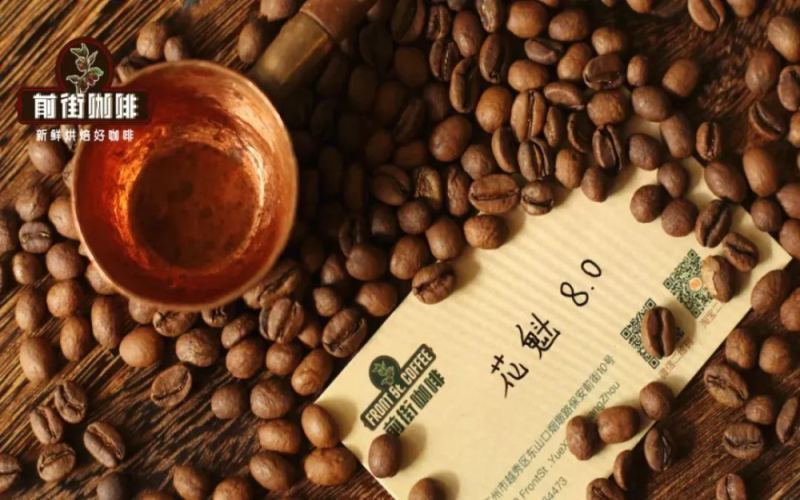
Analysis of the Africa Harvest Season Flavor Competition TOH: How did Huakui Coffee win the championship in one fell swoop?
Ethiopia, as Africa's largest coffee-producing country and the birthplace of coffee, is renowned worldwide for its coffee's floral and citrus notes, thanks to its exceptional natural conditions. When it comes to the representative of Ethiopian natural-process beans, many people first think of "Floral Queen." This coffee, from the Buku Abel processing station in the Guji Hambela region, rose to fame after winning the 2017 TOH green bean competition. What exactly is the TOH competition? How does it differ from the COE Cup of Excellence? How does the African Fine Coffees Association (AFCA) organize this grand event? This article will give you a comprehensive understanding of the TOH Harvest Season Flavor Competition—its origins and development—as well as the rise to fame of Floral Queen coffee. It will also introduce the flavor profile of Floral Queen 8.0, currently available at Front Street Coffee. [more…]
African Fine Coffees Association (AFCA) and the Taste of Harvest (TOH) Competition: A Full Analysis of the Competition That Made Ethiopia's Huakui Coffee Beans Famous
Ethiopia, as Africa's largest coffee-producing country and the widely recognized birthplace of coffee, is deeply favored by enthusiasts for its distinctive floral and citrus flavor notes. When it comes to the representative of Ethiopian natural-process beans, many people immediately think of "Huakui." This naturally processed coffee from the Buku Abel washing station in the Guji Hambela region rose to fame after winning the natural-process category at the 2017 TOH green bean competition. So what exactly is the TOH competition? And what kind of organization is AFCA, its organizer? This article will walk you through the membership structure of the African Fine Coffees Association, the competition format and tiers of the TOH, and how the event helps African coffee-producing countries improve quality and expand international trade. [more…]
A Complete Guide to Coffee Bean Varieties and an In-Depth Look at the Flavor Profiles of the World's Three Major Producing Regions
The flavor code of coffee is often hidden in the land where it grows. From Brazil and Colombia in South America, to Costa Rica and Guatemala in Central America, to Jamaica Blue Mountain in the Caribbean, as well as Kenya and Ethiopia in Africa and Indonesia in Asia, each producing region gives coffee beans a unique personality. This article systematically sorts out the flavor characteristics and representative bean varieties of the world's major coffee producing regions, helping coffee lovers build a clear framework for understanding regional flavors. Whether you are a beginner just starting out or a seasoned connoisseur seeking to advance, this producing-region guide can provide practical reference for your purchasing and tasting. Front Street Coffee will also combine regional characteristics to recommend classic beans worth trying for you. [more…]
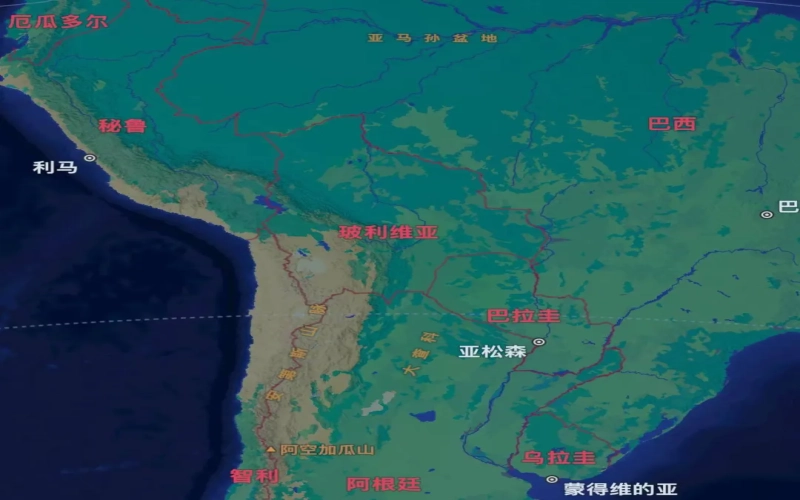
An In-Depth Analysis of Bolivian Coffee Origins: The Yungas Region, Major Cultivated Varieties, and the Java Character
Among the many coffee-producing countries in South America, Bolivia, though landlocked, has cultivated remarkably high-quality coffee thanks to its unique geography and climate. Its coffee cultivation is highly concentrated in the Yungas region, which accounts for more than ninety percent of the country's output. The growing areas include Yungas, Copacabana, and Caravina in La Paz, each with distinctive flavors. In terms of varieties, besides Typica and Caturra, a standout Java variety is also grown, known for its strong disease resistance and outstanding flavor. Front Street Coffee will take you into Bolivia to explore the full picture of the country's coffee industry. [more…]

How to Choose Drip Bag Coffee? Top Ten Brands Stock-Up Guide and Flavor Recommendations
For busy office workers with a tight schedule, drip bag coffee offers both convenience and taste—just add hot water and you get a cup as rich and aromatic as pour-over. But with so many drip bag products on the market, what makes a drip bag coffee truly good? This article reviews ten drip bag coffee brands worth watching, based on flavor performance, ingredient quality, and brand reputation, and offers specific buying advice for different taste preferences. In particular, it covers several Front Street Coffee beans suitable for making drip bags, spanning four main directions—floral, fruity, balanced, and full-bodied—to help you easily find your ideal cup at the office or at home. [more…]
Flavor and Taste Comparison of Major Coffee Bean Producing Countries Worldwide: A Full Analysis of Regional Characteristics from Brazil to Kenya
The flavor code of coffee is often hidden in the land where it grows. From Brazil's balanced blends to Colombia's rich aroma, from Hawaii Kona's wine-like notes to Kenya's intense acidity, each producing region gives coffee beans a unique character. This article systematically reviews the output, quality, taste characteristics, and grading methods of the world's major coffee-producing countries, and extends to the overall styles of major regions such as Central America, South America, Africa, and Asia. At the same time, the "Front Street" brand recommendations and product information mentioned in the article will also be fully retained, providing coffee lovers with a practical flavor map. [more…]